
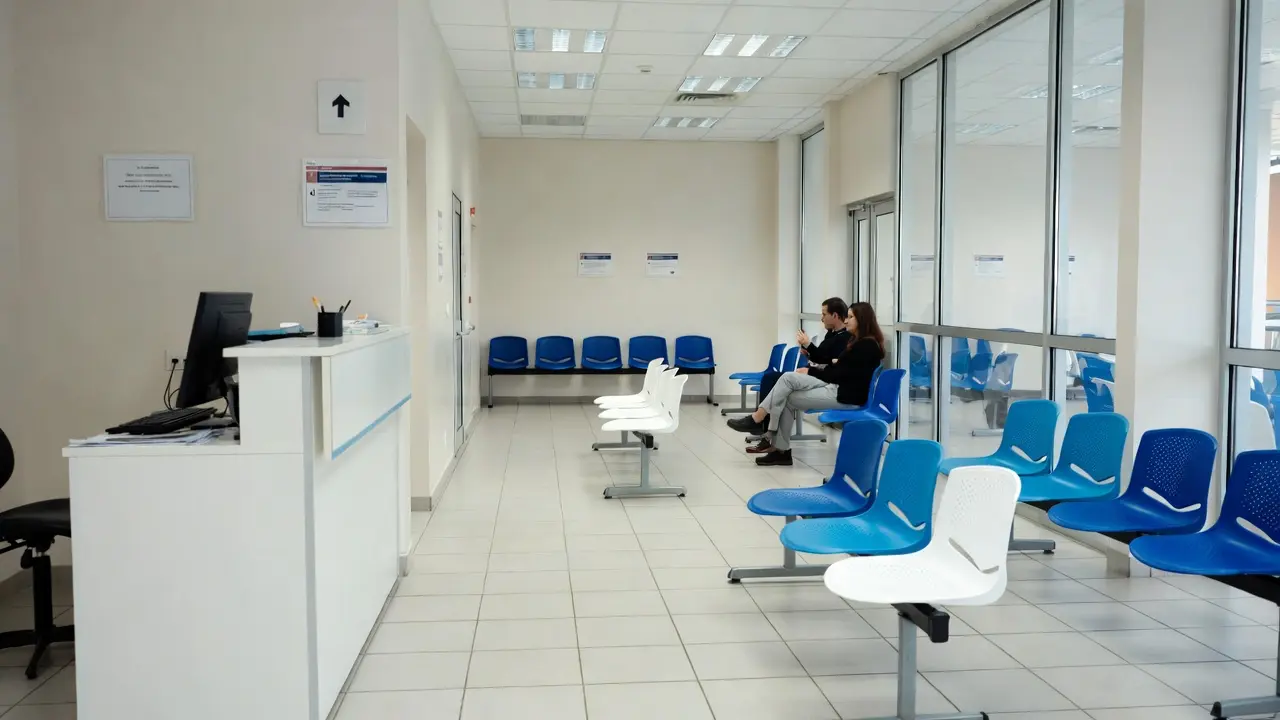
Engineering Excellence for Kenya’s Health Facilities
Developing and maintaining health facilities in Kenya presents a unique confluence of engineering challenges, regulatory demands, and critical societal impact. From urban hospitals in Nairobi to rural clinics in Turkana, every medical infrastructure project demands uncompromising precision, adherence to stringent international and local standards, and an acute understanding of the operational imperatives within a clinical environment. The consequence of engineering oversight in this sector extends beyond financial implications; it directly impacts patient safety, staff efficacy, and the overall public health ecosystem. Cadreatech provides the specialized engineering expertise necessary to navigate these complexities, ensuring that Kenya’s healthcare infrastructure is not only robust and compliant but also optimized for the delivery of high-quality medical care.
Structural Integrity: The Foundation of Patient Safety
The structural design and execution of any health facility are paramount, forming the bedrock upon which all other critical systems depend. In Kenya, this involves navigating diverse geological conditions, seismic considerations, and specific local construction practices. For instance, projects in the Rift Valley region, such as those in Nakuru or Baringo, necessitate rigorous seismic analysis conforming to Eurocode 8 or equivalent standards, accounting for potential ground accelerations and ensuring ductile detailing of reinforced concrete elements. Conversely, sites in areas like Nairobi or Kisumu often contend with expansive black cotton soils, requiring specialized foundation solutions such as piled foundations or raft slabs designed to mitigate differential settlement and prevent structural distress.
A comprehensive structural engineering approach by Cadreatech typically commences with a detailed geotechnical investigation report. This critical document, compiled after boreholes and in-situ tests like Standard Penetration Tests (SPT) or Cone Penetration Tests (CPT), informs the foundation design, providing crucial parameters like bearing capacity, settlement characteristics, and groundwater levels. For a typical medium-sized health centre, this investigation phase alone can take 2-3 weeks, with laboratory analysis adding another 1-2 weeks before a conclusive report is issued. The structural design then proceeds, utilizing advanced software for finite element analysis to model load distribution, stress concentrations, and deflection under various scenarios, including dead loads, live loads (which are significantly higher in medical facilities due to heavy equipment), wind loads, and seismic forces.
Material specifications are meticulously defined. Concrete grades, for example, are typically C25/30 or C30/37 (referring to characteristic compressive strengths in MPa at 28 days), with strict supervision of mix ratios and cube strength tests conducted at regular intervals (e.g., every 50 cubic metres or per batch of structural element). Reinforcement steel, often specified to BS 4449 Grade 500B, requires precise detailing of bar sizes, spacing, laps, and cover, especially in coastal regions like Mombasa where chloride-induced corrosion is a significant concern. Adequate concrete cover (typically 50-75mm for foundations and 25-40mm for beams/slabs) and the use of corrosion inhibitors are non-negotiable for long-term durability in such environments.
Skipping professional structural engineering input or cutting corners during construction leads to severe consequences. These range from visible cracks in walls and floors, indicating settlement or inadequate reinforcement, to more catastrophic failures. In a health facility, even minor structural issues can compromise the functionality of sensitive medical equipment, disrupt sterile environments, or, in extreme cases, endanger the lives of patients and staff. Cadreatech’s process includes meticulous construction supervision, regular site inspections, and detailed progress reports, ensuring that the structural design intent is faithfully translated into a safe, durable, and compliant physical asset. This proactive engagement mitigates risks and ensures the long-term viability of critical healthcare infrastructure.
Structural Design Review Process for Health Facilities:
- Project Initiation and Site Assessment: Initial client consultation, review of architectural briefs, and preliminary site visits to understand geographical and environmental context.
- Geotechnical Investigation: Commissioning and review of comprehensive soil reports, including borehole logs, SPT/CPT results, and laboratory analysis of soil samples to determine bearing capacity, settlement, and groundwater conditions.
- Structural System Selection: Evaluation of various structural systems (e.g., reinforced concrete frames, steel frames, composite structures) based on architectural requirements, span lengths, load demands, and economic viability.
- Load Determination and Analysis: Calculation of all relevant loads, including dead, live (specific to health facilities, e.g., 4.8 kN/m² for operating rooms), wind, and seismic loads as per Kenyan building codes and international standards (e.g., BS 6399, Eurocodes).
- Detailed Design and Modelling: Development of structural models using finite element analysis software (e.g., ETABS, SAP2000) to perform static and dynamic analyses, optimize member sizes, and design connections.
- Reinforcement Detailing and Documentation: Preparation of detailed structural drawings, including foundation layouts, beam and slab schedules, column schedules, and reinforcement bar bending schedules, ensuring compliance with relevant codes (e.g., BS 8110, ACI 318).
- Peer Review and Approval: Internal and external peer review of the design and drawings by qualified engineers to ensure accuracy, constructability, and compliance with all regulatory requirements, followed by submission to relevant county authorities for plan approval.
- Construction Supervision and Quality Assurance: Regular site visits, inspection of formwork, reinforcement placement, concrete pouring, and material testing (e.g., cube tests, rebar cover meter readings) to ensure adherence to design specifications and quality standards.
Advanced MEP Systems for Optimal Clinical Environments
Beyond the structural shell, the Mechanical, Electrical, and Plumbing (MEP) systems are the lifeblood of any modern health facility, directly influencing patient comfort, infection control, and the operational efficiency of medical procedures. Unlike conventional buildings, health facilities demand specialized MEP designs that integrate complex requirements for hygiene, redundancy, and precision. Cadreatech’s expertise in this domain ensures that these critical systems are not only compliant but also optimized for the unique demands of healthcare.
Mechanical Systems: HVAC and Medical Gases. Heating, Ventilation, and Air Conditioning (HVAC) systems in health facilities are far more than just comfort providers. They are critical tools for infection control. For instance, operating theatres require specific air changes per hour (ACH), typically 20-25 ACH, with HEPA filtration to maintain ultra-clean environments and positive pressure differentials relative to adjacent corridors to prevent contaminant ingress. Isolation rooms, conversely, demand negative pressure to contain airborne pathogens. Designing these systems involves detailed airflow analysis, precise duct sizing, and careful selection of air handling units (AHUs) with appropriate filtration stages (pre-filters, fine filters, HEPA filters). In a county like Kisumu, with its humid climate, dehumidification capabilities are also paramount to prevent mould growth and ensure equipment longevity. Medical gas systems (oxygen, medical air, vacuum, nitrous oxide) are another specialized mechanical component. These require dedicated plant rooms, seamless distribution networks conforming to standards like HTM 02-01 or NFPA 99, and comprehensive alarm systems to monitor pressure and supply levels. The piping material, typically copper, must be medically graded and meticulously installed to prevent leaks and contamination.
Electrical Systems: Reliability and Safety. The electrical infrastructure in a health facility is non-negotiable for uninterrupted patient care. Redundancy is key. This typically involves a primary grid connection backed up by automatically switching standby generators, often sized to carry the full facility load, and Uninterruptible Power Supply (UPS) systems for critical life-support equipment in areas like ICUs and operating theatres. Earthing systems are exceptionally robust, with equipotential bonding throughout clinical areas to prevent micro-shocks to patients connected to sensitive equipment. Lighting design considers both general illumination and specialized task lighting, such as shadowless lamps in surgical suites. In regions like Kajiado, where grid power can be intermittent, the sizing and maintenance protocols for generators and fuel storage become even more critical, often requiring a minimum of 72 hours of fuel autonomy. Furthermore, specialized power outlets and circuits are required for medical equipment, adhering to specific voltage stability and surge protection requirements.
Plumbing Systems: Hygiene and Water Quality. Plumbing in health facilities extends beyond basic water supply and drainage. It encompasses sterile water systems, waste management, and often, specialized laboratory plumbing. Potable water must meet stringent quality standards, often requiring advanced filtration and purification (e.g., reverse osmosis for dialysis units). Hot water systems must be designed to prevent Legionella growth, typically involving higher storage temperatures and regular thermal disinfection cycles. Drainage systems must accommodate various waste streams, including sanitary, laboratory, and potentially hazardous medical waste, requiring specialized piping materials and often pre-treatment plants or incinerators for safe disposal. In Mombasa, due to the corrosive saline air, external plumbing components require specific material selections (e.g., uPVC, HDPE, or appropriately coated metallic pipes) to resist degradation.
Failure in any of these MEP systems can have immediate and severe repercussions. A power outage during surgery, a contaminated water supply, or an HVAC system malfunction leading to cross-contamination can directly jeopardize patient outcomes and lead to widespread infection. Cadreatech designs these systems with a holistic understanding of clinical workflows, ensuring that every pipe, wire, and duct contributes to a safe, sterile, and highly functional medical environment.
What We Check vs. What Buyers Often Miss in MEP:
| Cadreatech’s Focus | Common Omissions / Oversights |
|---|---|
| HVAC: Positive/negative pressure differentials, HEPA filtration stages, air changes per hour (ACH) specific to room function (e.g., 20+ ACH for ORs), redundancy in critical ventilation. | Generic comfort cooling, inadequate filtration, neglecting pressure relationships, single point of failure in ventilation, leading to infection risk. |
| Electrical: N+1 redundancy for power (grid, generator, UPS), medical-grade earthing/equipotential bonding, dedicated circuits for sensitive equipment, surge protection, emergency lighting autonomy. | Insufficient generator sizing, lack of UPS for critical loads, standard earthing, shared circuits, inadequate emergency lighting, leading to power failures and equipment damage. |
| Plumbing: Sterile water systems (e.g., RO for dialysis), Legionella prevention (thermal disinfection), medical gas piping standards (HTM/NFPA), specialized waste management (e.g., incinerator integration, effluent treatment). | Basic potable water, no Legionella control, non-compliant medical gas installation, inadequate hazardous waste disposal, risking contamination and regulatory penalties. |
| Integration: Seamless coordination between all MEP systems and structural/architectural elements, future-proofing for technology upgrades, energy efficiency, and maintainability. | Disjointed system designs, neglecting space for future expansion, high operational costs due to inefficiency, difficult access for maintenance, leading to costly retrofits. |
The Critical Role of Engineering in Health Facility Design and Construction
The design and construction of health facilities in Kenya demand an unparalleled level of engineering precision, directly impacting patient safety, operational efficiency, and long-term sustainability. Unlike conventional buildings, hospitals, clinics, and specialized medical centres integrate complex systems that must function flawlessly under stringent conditions. Cadreatech’s approach encompasses an integrated multi-disciplinary engineering framework, ensuring every component, from the structural skeleton to the intricate medical gas pipelines, meets the highest international and local standards.
Structural Engineering for Resilience: In Kenya, where seismic activity, particularly within the Rift Valley regions, necessitates robust design, structural integrity is paramount. Our designs adhere to the Kenya Building Code (KBC), often referencing Eurocodes or British Standards for detailed analysis. This includes designing for seismic Zone III classifications, employing ductile detailing for reinforced concrete elements, and specifying appropriate concrete strengths such as C30/37 for primary structural frames and B500B grade steel reinforcement. Foundation design is meticulously tailored to local geological conditions. For instance, in areas like Kajiado and parts of Nairobi characterised by expansive black cotton soils, we engineer stiffened raft foundations or bored piles to mitigate differential settlement. Conversely, in coastal regions like Mombasa, where high water tables and corrosive saline environments prevail, deep pile foundations with sulphate-resistant concrete and epoxy-coated rebar are often specified to ensure longevity and prevent premature deterioration. Geotechnical investigations, including boreholes and in-situ tests like Cone Penetration Tests (CPT), are non-negotiable to inform these critical foundation choices.
Mechanical, Electrical, and Plumbing (MEP) for Clinical Excellence: The heart of any health facility lies in its MEP systems, which are instrumental in infection control, life support, and patient comfort. Our HVAC designs go beyond mere temperature control; they are engineered for specific clinical environments. Operating theatres, for example, require positive pressure systems with 20-25 air changes per hour (ACH) and HEPA filtration (99.97% efficiency for 0.3-micron particles) to prevent airborne contaminant ingress. Isolation wards, conversely, utilise negative pressure systems to contain infectious aerosols. Medical gas pipeline systems (MGPS) for oxygen, medical air, vacuum, and nitrous oxide are designed and installed in strict accordance with standards like BS EN ISO 7396-1, ensuring purity, uninterrupted supply, and fail-safe redundancy. Electrical systems are designed with critical redundancy, incorporating N+1 configurations for essential services, automatic transfer switches (ATS) for uninterrupted power from generators, and medical-grade Uninterruptible Power Supply (UPS) units for life-support equipment. Earthing and bonding systems are engineered to achieve ultra-low impedance (<1 Ohm) to safeguard patients from micro-shock hazards. Potable water quality and sterile water systems, crucial for dialysis units and surgical scrub areas, involve advanced filtration and treatment protocols, preventing waterborne pathogens.
Civil Engineering for Site Integration and Public Health: Beyond the building itself, the surrounding civil infrastructure is vital. Site grading and drainage designs are implemented to prevent water ingress, manage stormwater runoff effectively, and prevent soil erosion, particularly on sloped sites in areas like Kisumu. Waste management systems are designed in strict compliance with National Environment Management Authority (NEMA) guidelines, featuring dedicated segregation points using colour-coded bins, secure storage facilities, and provisions for on-site treatment methods such such as autoclaving or incineration for biohazardous waste. This meticulous planning ensures environmental protection and public health safety for both the facility and its surrounding community. Neglecting professional engineering input at any stage can lead to catastrophic consequences, ranging from structural failures and widespread nosocomial infections due to inadequate ventilation, to critical equipment malfunction and prolonged operational downtime, ultimately jeopardising patient lives and incurring substantial, often unquantifiable, long-term liabilities.
Ensuring Operational Excellence: Maintenance and Compliance for Health Facilities
The lifecycle of a health facility extends far beyond its construction; its continued safe and efficient operation hinges on rigorous maintenance, proactive upgrades, and unwavering compliance with regulatory frameworks. Cadreatech provides comprehensive engineering support throughout the operational phase, ensuring that critical systems perform optimally and facilities remain fit for purpose. This proactive approach safeguards patient care, maintains asset value, and ensures regulatory adherence, preventing costly disruptions and potential hazards.
Planned Preventive Maintenance (PPM) Strategies: A robust PPM strategy is indispensable for health facilities. This involves scheduled inspections, testing, and servicing of all engineering systems. For HVAC, this includes quarterly filter replacements, coil cleaning, and calibration of pressure and temperature sensors to maintain specified air quality and pressure regimes in sterile areas. Emergency generators undergo monthly load testing for a minimum of two hours at 50% rated load to verify their reliability under duress. UPS systems require quarterly battery condition checks and annual full-load discharge tests. Medical gas systems are subjected to weekly alarm function tests and annual leak detection surveys to ensure continuous, uncontaminated supply. Water treatment plants for sterile applications undergo daily monitoring and quarterly efficacy checks, including microbial testing. Structural elements are not exempt; regular visual inspections for crack propagation (monitored with tell-tales for widths exceeding 0.5mm), spalling, and rebar corrosion, particularly in high-humidity or coastal environments like Mombasa, form a critical part of the PPM schedule.
Regulatory Compliance and Audits: Navigating the complex landscape of health facility regulations in Kenya requires expert guidance. Cadreatech assists facilities in maintaining compliance with various bodies, including NEMA for environmental management. This often involves annual environmental audits to assess waste stream management, effluent discharge quality, and overall environmental impact, ensuring all permits are current. Fire safety audits, mandated by county fire departments, necessitate annual inspections of fire suppression systems (sprinklers, hydrants), fire alarm systems, emergency lighting, and egress routes, culminating in the issuance of a fire safety certificate. Our engineers provide the technical documentation and expert representation required to successfully pass these audits.
Structural Integrity Assessment Process for Existing Health Facilities:
- Initial Site Reconnaissance and Document Review: We begin by reviewing all available documentation, including as-built drawings, previous structural reports, soil investigation reports, and maintenance logs. This helps us understand the facility’s construction history, any past modifications, and reported issues.
- Detailed Visual Inspection and Condition Mapping: A thorough visual inspection is conducted on all accessible structural elements (foundations, columns, beams, slabs, walls). Defects such as cracks are meticulously mapped and classified by width (e.g., hairline <0.1mm, minor 0.1-0.5mm, moderate 0.5-1.0mm, severe >1.0mm), pattern, and location. Other signs of distress like spalling, efflorescence, concrete deterioration, and rebar exposure are also documented.
- Non-Destructive Testing (NDT): Advanced NDT techniques are employed to assess material properties without damaging the structure. This includes Rebound Hammer tests for estimating concrete compressive strength, Ultrasonic Pulse Velocity (UPV) for detecting voids and discontinuities, Covermeter surveys for determining rebar location and cover depth, and Ground Penetrating Radar (GPR) for identifying hidden structural elements or subsurface anomalies.
- Limited Destructive Testing (LDT) and Material Sampling: Where NDT indicates potential issues or for verification, controlled destructive tests are performed. Concrete core samples are extracted for laboratory testing of compressive strength, chloride content (critical for coastal areas), and carbonation depth. Steel reinforcement samples may be taken for tensile strength and chemical composition analysis if material quality is suspect.
- Structural Analysis and Load Assessment: Based on the collected data, a detailed structural analysis is performed using modern software and relevant codes (e.g., KBC, Eurocodes). This includes assessing the building’s capacity against current design loads, evaluating the impact of any structural modifications, and performing a seismic vulnerability assessment in accordance with current standards.
- Comprehensive Reporting and Remedial Recommendations: A detailed report is compiled, outlining all findings, analysis results, and a prioritized list of remedial actions. This includes specific repair methodologies, material specifications, quality control procedures, and estimated timelines. Recommendations for ongoing monitoring and future upgrades are also provided to ensure long-term structural integrity.
What Cadreatech Considers for Maintenance vs. What is Often Overlooked
| Cadreatech’s Holistic Approach | Common Overlooks by Uninformed Owners |
|---|---|
| Proactive, data-driven Planned Preventive Maintenance (PPM) for all critical systems, anticipating failures. | Reactive “break-fix” maintenance, leading to unexpected downtime and higher repair costs. |
| Verification of critical system redundancy (e.g., N+1 generator sets) through regular load testing. | Assuming backup systems will work without periodic testing and validation. |
| Ensuring NEMA environmental audit compliance for waste segregation, treatment, and disposal. | Ad-hoc waste management, risking penalties and environmental contamination. |
| Long-term structural monitoring, including crack tell-tales and settlement markers, especially in areas with expansive soils like Kajiado. | Ignoring minor structural defects until they become significant and costly to repair. |
| Medical gas purity testing and continuous pressure monitoring, vital for patient safety. | Assuming medical gases are always pure without regular quality checks. |
| Specialized water quality testing for sterile applications (e.g., dialysis, surgical scrub) beyond basic potability. | Treating all water systems as standard plumbing, overlooking specific clinical requirements. |
By implementing these robust engineering processes, Cadreatech ensures that health facilities in Kenya not only meet their initial design objectives but continue to operate safely, efficiently, and compliantly throughout their entire lifespan. Contact Cadreatech for expert engineering consultancy tailored to your health facility’s unique requirements.
Navigating Risks and Ensuring Compliance in Health Facility Engineering
Health facilities are not merely buildings; they are intricate systems designed to sustain life, prevent disease, and facilitate healing. The engineering demands for such critical infrastructure far exceed those of standard commercial or residential projects, with virtually zero margin for error. A robust, meticulously engineered approach is paramount to ensure patient safety, operational continuity, and regulatory adherence within the Kenyan context.
Critical Infrastructure Dependencies and Design Imperatives
Uninterrupted functionality is the cornerstone of any health facility. This necessitates a comprehensive engineering strategy addressing several critical dependencies:
- Power Supply Redundancy: Given the often-unreliable grid in various Kenyan counties, from urban Nairobi to more remote parts of Kajiado, a multi-layered power strategy is essential. This includes dual grid feeds where available, meticulously sized generator sets (often N+1 or 2N redundancy for critical loads like operating theatres and ICUs), Automatic Transfer Switches (ATS) with rapid changeover times (typically under 10 seconds), and Uninterruptible Power Supplies (UPS) for sensitive medical equipment such as MRI scanners, CT machines, and life support systems. The design must account for peak demand, transient loads, and future expansion, ensuring power quality (voltage stability, frequency control) meets the strict requirements of medical devices.
- Water Quality and Supply Security: Access to safe, potable water is non-negotiable for drinking, sterilization, dialysis, and general hygiene. Engineering solutions encompass advanced water treatment plants (filtration, UV sterilization, reverse osmosis for specific applications), robust storage tank sizing (e.g., 48-72 hours of reserve capacity), and segregated distribution systems to prevent cross-contamination between potable and non-potable uses. For facilities in water-stressed regions like parts of Kilifi or Turkana, integrated rainwater harvesting, borehole development, and efficient wastewater recycling systems become critical design components, all adhering to KEBS standards for water quality.
- Medical Gas Systems: Centralized medical gas systems for oxygen, nitrous oxide, compressed medical air, and vacuum are highly specialized. Design must ensure purity, precise pressure regulation, leak detection, and an intricate network of zone valves for isolation during maintenance or emergencies. Alarm systems must be integrated into the Building Management System (BMS) to alert staff to pressure drops or supply issues. Adherence to international standards like HTM 02-01, adapted for local implementation, is crucial for patient safety and system reliability.
- HVAC and Infection Control: Heating, Ventilation, and Air Conditioning (HVAC) systems in health facilities play a critical role in infection prevention and control. Design considerations include HEPA filtration for operating theatres, ICUs, and isolation wards; maintaining positive pressure in sterile areas (e.g., operating rooms, clean utility rooms) and negative pressure in infectious isolation rooms; and achieving high air changes per hour (e.g., 20+ ACH for operating theatres, 12 ACH for patient rooms). Laminar flow systems are often specified for critical surgical environments to minimize airborne particulate count. Computational Fluid Dynamics (CFD) modelling can be employed to optimize airflow patterns and minimize pathogen dispersion.
Structural and Geotechnical Considerations
The structural integrity of a health facility extends beyond basic load-bearing. It must accommodate:
- Specialized Equipment Loads: Medical imaging equipment like MRI and CT scanners impose significant point loads and require specific vibration isolation measures. Radiation bunkers for radiotherapy units demand dense concrete shielding (e.g., specific thickness of high-density concrete to achieve required lead equivalency) and specialized structural support. Typical floor loading capacities might need to be designed for 5-10 kN/m² in these areas.
- Environmental Factors: In coastal regions like Mombasa, aggressive saline environments accelerate corrosion of structural steel and HVAC components. Material selection must prioritize marine-grade stainless steel, specific corrosion-resistant coatings, and robust waterproofing strategies to ensure long-term durability. In contrast, facilities in areas with expansive black cotton soils, common in parts of Nairobi, Kisumu, and Kajiado, necessitate specialized geotechnical investigations and foundation designs such as piled foundations, raft foundations, or ground improvement techniques to mitigate differential settlement and structural damage.
Regulatory Compliance and Consequences of Neglect
Navigating the complex regulatory landscape is non-negotiable for health facility projects in Kenya. Key regulations include:
- The Kenyan Building Code: Mandates minimum standards for structural integrity, fire safety, accessibility, and general building construction.
- The Public Health Act: Covers sanitation, waste management, water quality, and general public health provisions.
- NEMA Regulations: The National Environment Management Authority (NEMA) plays a critical role, particularly concerning environmental impact assessments and stringent medical waste management protocols. This includes mandates for proper segregation, treatment (e.g., autoclaving, incineration, chemical disinfection), and disposal of hazardous and non-hazardous medical waste, with detailed reporting requirements. Non-compliance can lead to substantial fines, operational shutdowns, and severe public health crises.
- Engineers Board of Kenya (EBK): Ensures that all engineering works are designed and supervised by registered professional engineers, upholding ethical and technical standards.
Skipping professional engineering input, or engaging unqualified personnel, carries severe consequences:
- Safety Hazards: Ranging from power outages during critical surgical procedures, contaminated water supply, structural collapse due to inadequate design, to uncontrolled spread of infection from faulty HVAC systems.
- Operational Failures: Equipment malfunction, inability to perform essential medical procedures, and a complete breakdown of services, directly impacting patient care.
- Legal and Reputational Damage: Non-compliance with regulations can lead to substantial fines, legal action, facility closure by regulatory bodies, and irreparable damage to the institution’s reputation and public trust.
- Project Delays and Cost Overruns: Rectification of non-compliant or faulty engineering work often requires extensive redesigns, demolition, and reconstruction, leading to significant project delays and escalating costs that far exceed the initial savings from cutting corners on professional fees. For example, an improperly designed wastewater treatment plant in a facility near Lake Victoria could result in heavy NEMA fines and forced closure until corrective measures, potentially costing millions in remediation, are implemented.
Frequently Asked Questions about Health Facility Engineering in Kenya
Why is specialised engineering crucial for health facilities compared to other buildings?
Specialised engineering is paramount for health facilities due to their unique, life-critical functions. Unlike commercial or residential buildings, hospitals require uninterrupted operation of complex systems that directly impact patient outcomes. This includes rigorous demands for redundant power supplies to maintain life support, stringent water quality for sterilization and dialysis, precise control over medical gas systems, and advanced HVAC with HEPA filtration for infection control in operating theatres and isolation wards. Furthermore, health facilities must accommodate heavy, sensitive medical equipment like MRI scanners, demanding specific structural reinforcement and vibration isolation. The margin for error is virtually zero, necessitating deep technical expertise in systems integration, regulatory compliance, and risk mitigation strategies to ensure patient safety and operational continuity.
What are the key regulatory bodies and standards that govern health facility construction in Kenya?
Health facility construction in Kenya is governed by a robust framework of regulations and standards to ensure safety and quality. The Kenyan Building Code sets out general requirements for structural integrity, fire safety, and accessibility. The Public Health Act dictates standards for sanitation, waste management, and water quality within these facilities. Crucially, the National Environment Management Authority (NEMA) enforces strict guidelines for environmental impact assessments and the handling, treatment, and disposal of medical waste, which is categorised as hazardous. The Engineers Board of Kenya (EBK) plays a vital role in ensuring that all engineering designs and supervision for such critical projects are carried out by registered and qualified professional engineers, upholding the highest standards of practice and accountability.
How does Cadreatech ensure energy efficiency and sustainability in health facility designs?
Cadreatech integrates comprehensive strategies for energy efficiency and sustainability right from the conceptual design phase of health facilities. This includes specifying high-efficiency LED lighting systems with intelligent controls, designing advanced HVAC systems with heat recovery units and variable refrigerant flow (VRF) technology, and incorporating solar water heating for domestic hot water. We also assess the feasibility of photovoltaic (PV) systems to supplement grid power, reducing reliance on fossil fuels. Passive design principles, such as optimizing building orientation for natural ventilation and daylighting, along with high-performance insulation, are critical. Our approach also considers the lifecycle cost of materials and systems, promoting the use of locally sourced, sustainable materials where appropriate, thereby reducing both operational expenses and the environmental footprint of the facility.
What is the typical process for engaging Cadreatech for a new health facility project or renovation?
Engaging Cadreatech for a health facility project typically follows a structured, collaborative process to ensure all technical and operational requirements are met. It begins with an initial consultation and needs assessment, where we thoroughly understand the client’s vision, functional requirements, and project scope. This leads to a detailed feasibility study and site analysis, evaluating existing infrastructure, geotechnical conditions, and regulatory constraints. We then proceed to conceptual design, developing preliminary architectural, structural, and MEP system schematics. This progresses to detailed engineering design, producing comprehensive drawings, specifications, and tender documents. We assist with all necessary regulatory approvals from county governments and NEMA. During the construction phase, we provide rigorous supervision and project management, ensuring adherence to design, quality control, and timely execution, culminating in thorough testing, commissioning, and handover with post-construction support and operational guidance. The scope and complexity of these phases are always tailored to the specific project.
Key Takeaways for Robust Health Facility Engineering in Kenya
The intricate nature of health facility engineering demands a specialised approach that goes beyond conventional construction practices. For projects in Kenya, understanding the unique regulatory landscape, environmental factors, and operational demands is critical. Cadreatech’s expertise ensures that every aspect, from initial concept to operational commissioning, is meticulously handled to deliver facilities that are not only compliant but also sustainable, efficient, and safe for patients and staff.
- Integrated Design is Paramount: Health facility engineering demands a holistic approach, integrating complex systems such as HVAC, medical gas, specialised electrical distribution, plumbing for critical areas, structural resilience, and civil infrastructure. A siloed design process inevitably leads to operational inefficiencies, compliance breaches, and compromises in patient safety and clinical functionality.
- Unwavering Compliance with Kenyan Standards: Adherence to Ministry of Health guidelines, local county bylaws (e.g., Nairobi City County’s Public Health Act, Mombasa County’s Building Regulations), and adapted international best practices is non-negotiable. This includes specific technical requirements for air changes in critical care units, purified water quality for sterile processing, robust power supply redundancy for essential services, and waste management protocols.
- Direct Impact on Patient Safety and Infection Control: The engineering design of a health facility directly influences patient outcomes and staff safety. Meticulous design of ventilation systems, biomedical waste segregation and disposal pathways, water treatment and distribution networks, and selection of easily sanitised materials are crucial in mitigating Healthcare-Associated Infections (HAIs) and ensuring a consistently sterile and hygienic environment.
- Operational Resilience and System Redundancy: Given the life-critical nature of healthcare services, all essential systems must be designed with adequate redundancy and resilience. This applies to power generation (e.g., dual generators with automatic transfer switches), water supply (e.g., boreholes with treatment plants and elevated storage), and medical gas systems, ensuring uninterrupted continuity of care even during utility interruptions, a common challenge in many Kenyan regions.
- Strategic Life Cycle Costing and Sustainability: Beyond the initial capital outlay, expert engineering considers the long-term operational costs, maintenance requirements, and energy efficiency of the facility. Sustainable design principles, tailored to Kenya’s climate and resource availability (e.g., solar hot water, rainwater harvesting, passive ventilation strategies), lead to more economical, environmentally responsible, and operationally viable healthcare facilities.
- Specialised Engineering Expertise is Indispensable: General engineering knowledge is insufficient for the unique demands of health facilities. Specialists possess a deep understanding of medical equipment integration, intricate infection control protocols, the specific regulatory landscape in Kenya, and the critical balance between clinical functionality and engineering feasibility.
- Proactive Risk Mitigation and Value Engineering: Engaging expert engineers from the conceptual and feasibility study stages prevents costly design flaws, significant construction delays, and potential non-compliance penalties. Early intervention allows for value engineering, ensuring optimal functionality, cost-effectiveness, and long-term viability of the facility, avoiding expensive retrofits.
- Tailored Solutions for the Kenyan Context: Engineering solutions must be specifically adapted to local conditions. This includes addressing varying power grid stability, potential water scarcity in arid regions like Kajiado, diverse climatic zones (e.g., coastal corrosion in Mombasa, high-altitude oxygen considerations in regions like Nyeri), and leveraging local material availability and construction methods.
Ensure Your Health Facility Project Meets the Highest Standards.
Navigating the complexities of health facility engineering in Kenya requires unparalleled expertise and meticulous attention to detail. Cadreatech provides comprehensive engineering consultancy, from concept to commissioning, ensuring your project is compliant, efficient, and resilient. Our deep understanding of local regulations and global best practices, tailored to the Kenyan context, positions us as your trusted partner.
Contact us today to discuss your specific project requirements, whether it’s for a new hospital, a clinic expansion, or an upgrade of existing systems. Our team is ready to deliver engineering solutions that safeguard patient well-being, optimise operational performance, and ensure the long-term success of your healthcare investment. We will provide a tailored quotation based on your project’s unique scope and demands.
Contact Cadreatech for Engineering Consultancy in Kenya:
- Phone: +254 719 532 233
- Email: info@Cadreatech.com
- Website: Cadreatech.com
