

Kenya’s Five-Year Building Inspection Mandate: NBC 2024 Compliance
The built environment in Kenya faces evolving challenges, from rapid urbanisation to the imperative of ensuring public safety. Recognising this, the National Building Code (NBC) 2024 introduces a critical provision: mandatory periodic building inspections every five years. This significant regulatory shift moves the industry from a largely reactive stance to a proactive one, placing responsibility on building owners and managers to maintain the structural integrity and safety of their properties. Failing to comply with this new mandate carries substantial risks, not only legal and financial penalties but, more importantly, the potential for catastrophic structural failures that endanger lives. Cadreatech understands the complexities of this new regulatory landscape and offers expert engineering consultancy to guide stakeholders through the compliance process, ensuring their assets meet the highest safety standards.
Cracks, additions, and change-of-use need engineering evidence — not guesswork. See building cracks assessment, retrofitting & strengthening, and pre-purchase inspection.
Understanding the National Building Code 2024 Mandate
The NBC 2024 represents a landmark revision, aiming to modernise building standards and enhance public safety across Kenya. A cornerstone of these revisions is the explicit requirement for periodic structural and safety inspections of all existing buildings, particularly those designated for public assembly, commercial use, or multi-dwelling residential purposes. This mandate stipulates that such inspections must be carried out by a registered structural engineer at least once every five years. The intention is clear: to identify and address potential structural defects, material degradation, or safety hazards before they escalate into critical issues. This proactive approach contrasts sharply with previous practices, where inspections often occurred only after visible distress or, tragically, after a collapse.
The scope of these periodic inspections, as outlined by the NBC 2024, is comprehensive. It encompasses a thorough assessment of the building’s primary structural elements, including foundations, columns, beams, slabs, and load-bearing walls. Engineers are required to evaluate the condition of the building envelope, roofing systems, fire safety provisions, and general compliance with current safety regulations. This extends to assessing the integrity of non-structural elements that could pose a risk, such as deteriorated facades or poorly secured fixtures. For instance, in high-rise buildings in Nairobi, the integrity of curtain walling systems and facade fixings is as critical as the concrete frame itself. Similarly, in coastal regions like Mombasa, the effects of chloride ingress on reinforced concrete structures due to saline air necessitate specific attention during these assessments. Understanding the full implications of the updated code is paramount for all stakeholders, as detailed in our comprehensive guide on the Kenya National Building Code — what developers and engineers must comply with. Non-compliance with the five-year rule can lead to severe repercussions, including orders for demolition, substantial fines, and legal liabilities for property owners or facility managers in the event of an incident. It also jeopardises insurance coverage, leaving owners exposed to significant financial burdens. The mandate is a call to action for all property stakeholders to embrace a culture of continuous structural stewardship.
| Factor Influencing Scope | Impact on Inspection Complexity |
|---|---|
| Building Age (e.g., pre-2000 vs. post-2010) | Older structures often require more extensive material testing and defect identification due to potential degradation or outdated construction standards. |
| Structural System (e.g., RC Frame vs. Steel Truss) | Different systems demand specialised knowledge, NDT techniques, and focused checks on connections, welds, or concrete integrity. |
| Environmental Exposure (e.g., Coastal vs. Inland) | Coastal buildings face accelerated corrosion and require detailed assessment of rebar cover, concrete permeability, and protective coatings. |
| Building Use (e.g., Residential vs. Industrial) | Industrial buildings may have specific load requirements, vibration issues, or chemical exposure influencing structural health. |
| Accessibility Challenges (e.g., High-rise facades) | Limited access necessitates specialised equipment like drones or rope access, increasing logistical planning and on-site duration. |
| Document Availability (e.g., As-builts) | Lack of documentation requires more exploratory investigation and reliance on empirical assessment, increasing uncertainty. |
The Cadreatech Approach to Periodic Structural Assessments
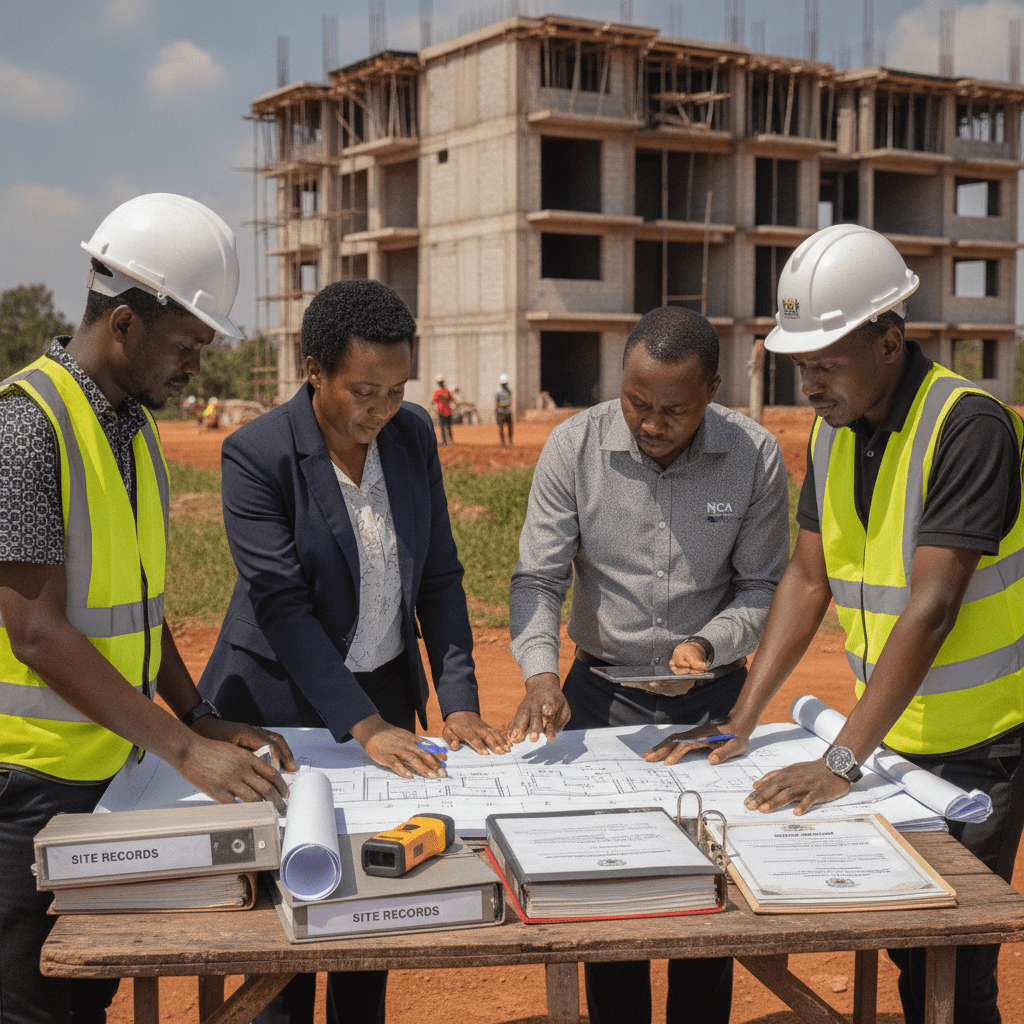
Cadreatech’s methodology for periodic building inspections goes beyond mere compliance; it’s a holistic approach designed to provide building owners with a clear, actionable understanding of their asset’s health and longevity. Our registered structural engineers deploy a systematic inspection protocol that combines visual assessment with non-destructive testing (NDT) techniques where necessary. The process typically begins with a detailed review of available building plans and previous maintenance records, establishing a baseline for the structure. This is followed by a meticulous site inspection, categorising and mapping any observed defects. For instance, crack patterns are meticulously documented, classified by width (e.g., hairline <0.1mm, minor 0.1-0.5mm, moderate 0.5-1.0mm, severe >1.0mm), length, and depth, providing crucial insights into their origin and potential implications for structural integrity. We pay particular attention to areas prone to distress, such as connections, cantilevered elements, and areas exposed to aggressive environments like splash zones in coastal Mombasa or high-traffic areas in commercial buildings in Nairobi.
Our engineers utilise advanced tools for quantitative assessment, including cover meters to determine reinforcement depth and spacing, rebound hammers for concrete compressive strength estimation, and thermal imaging to detect hidden moisture ingress or delamination. For structures showing signs of significant distress or where original documentation is lacking, more invasive techniques like concrete coring or rebar scanning may be proposed, always with minimal disruption to occupants. The assessment covers all critical components: foundations are checked for signs of settlement, columns and beams for deflection or spalling, slabs for cracking or excessive vibration, and the roof structure for integrity against weather elements and potential water ingress. In areas like Kisumu, where expansive black cotton soils are prevalent, foundation stability and differential settlement are critical points of focus. The final deliverable is a comprehensive engineering report, replete with photographic evidence, detailed observations, a clear classification of defects, and actionable recommendations for repair, maintenance, or further investigation. This report also includes a proposed maintenance schedule to guide ongoing asset management. The scope of these detailed assessments is determined by factors such as the building’s size, age, construction materials, occupancy type, and observed condition, ensuring a tailored approach for each project. Understanding the current structural health through such expert assessment can also inform future decisions, much like a Pre-Purchase Structural Inspection Kenya provides vital insights before property acquisition.
| Key Inspection Area | Typical Defects & Considerations in Kenya |
|---|---|
| Foundations & Substructure | Differential settlement, cracks due to expansive soils (e.g., black cotton soil in Kajiado and Nairobi), moisture ingress, and foundation suitability for local ground conditions. |
| Building Type and Usage | Residential, commercial, and industrial buildings have different load patterns, wear rates, and inspection priorities for wind, seismic, and operational loads. |
| Geographical Context | Coastal counties (Mombasa, Kilifi) raise corrosion risk; expansive soils in Kajiado and Nairobi increase foundation movement; rainfall and drainage shape defect patterns. |
Key Factors Influencing Inspection Scope and Complexity
The scope and subsequent complexity of a periodic building inspection are not static; they are dynamically influenced by a multitude of factors specific to each structure and its environment. Understanding these drivers is crucial for property owners and managers in Kenya to appreciate the depth of engineering input required and to facilitate a tailored, effective assessment. Cadreatech customises every inspection proposal to reflect these unique project characteristics, ensuring a thorough yet efficient service without quoting generic figures.
One primary determinant is the size and structural configuration of the building. A multi-storey reinforced concrete frame building in Nairobi’s Upper Hill, with complex architectural features and extensive services, will naturally demand a more intricate inspection than a single-storey residential dwelling in Ongata Rongai. The structural system itself—be it reinforced concrete, steel, masonry, or composite—dictates the specific expertise and inspection methodologies required. For instance, a steel structure in Mombasa would warrant particular attention to connection integrity and corrosion protection, given the aggressive coastal environment.
The age of the structure plays a significant role. Older buildings, particularly those constructed before the adoption of more stringent codes or modern construction practices, may exhibit different modes of deterioration or have less comprehensive initial design documentation. For example, a pre-2000s building might reveal issues related to early concrete mixes, less robust seismic detailing, or outdated fire safety provisions. In contrast, newer buildings might require scrutiny of construction quality control or the performance of contemporary materials. This is distinct from a pre-purchase structural inspection where the focus is often on immediate viability for a transaction.
Environmental exposure is a critical factor in Kenya. Buildings along the coast, such as in Mombasa or Kilifi, are perpetually exposed to salt-laden air, leading to chloride-induced corrosion of reinforcing steel and premature concrete degradation. Structures in high rainfall areas like Kisumu or parts of Western Kenya are prone to persistent dampness, mould growth, and foundation issues due to saturated ground conditions. Regions with expansive soils, notably black cotton soils prevalent in parts of Nairobi, Kajiado, and Athi River, present risks of differential settlement and foundation movement, necessitating focused geotechnical assessments during the structural inspection.
Engineer Note: Expansive Soil Impact
In areas characterised by black cotton soils, such as parts of Kajiado County or specific Nairobi suburbs, buildings are highly susceptible to foundation movement due to soil volume changes with moisture fluctuations. A periodic inspection in these regions must include a thorough assessment of foundation performance, crack patterns indicative of settlement or heave, and potential mitigation strategies to ensure long-term structural stability.
The availability and quality of existing documentation significantly impact inspection complexity. A building lacking ‘as-built’ drawings, original design calculations, or previous maintenance records requires more extensive exploratory work and assumptions, increasing the time and resources needed for a thorough assessment. Conversely, well-maintained documentation allows engineers to target specific elements and verify compliance more efficiently.
Skipping professional periodic inspections, especially the five-year rule under NBC 2024, carries severe consequences. Foremost is the escalation of safety risks. Undetected structural defects, such as fatigue in critical connections, progressive corrosion of reinforcement, or foundation instability, can lead to sudden structural failure, endangering occupants and the public. This directly translates to significant legal and compliance issues, as non-compliance with the National Building Code and county bylaws (e.g., Nairobi City County’s stringent building regulations) can result in heavy fines, demolition orders, and legal liabilities for property owners or facility managers. Furthermore, financial losses can be substantial; early detection of minor defects allows for cost-effective repairs, whereas delayed intervention often necessitates extensive, expensive emergency remedial works or even demolition and reconstruction. Operational disruptions, property devaluation, and invalidation of insurance policies are additional adverse outcomes. Cadreatech works to mitigate these risks by providing timely, expert assessments that safeguard both assets and lives.
The enactment of the National Building Code (NBC) 2024 introduces a critical framework for maintaining structural integrity and public safety in Kenya’s built environment, with the five-year periodic inspection rule standing as a cornerstone. Neglecting this mandate carries severe ramifications, extending beyond mere legal penalties to direct threats to life, property, and long-term investment value. Property owners, developers, and facility managers must understand that compliance is not merely bureaucratic but a fundamental aspect of responsible asset management.
In the Kenyan context, several factors exacerbate the need for rigorous periodic inspections. Rapid urbanisation, coupled with varying construction practices and environmental stressors, places unique demands on structures. For instance, buildings in Nairobi, particularly older high-rise residential and commercial blocks, often experience increased loads due to unauthorised modifications, changes in occupancy, or the cumulative effects of vibrations from heavy traffic. Without regular assessment, these stresses can lead to progressive structural degradation that might manifest as subtle cracks, deflections, or material fatigue, often unnoticed by untrained eyes until they reach a critical state.
Coastal regions like Mombasa present distinct challenges. The saline air and high humidity accelerate corrosion of reinforcement steel if adequate concrete cover or protective coatings are not maintained. Periodic inspections are crucial for identifying early signs of chloride ingress, carbonation, and subsequent rebar expansion, which leads to concrete spalling and compromised structural elements. Cadreatech’s expertise in such environments focuses on detailed material analysis and non-destructive testing (NDT) techniques like covermeter surveys and half-cell potential mapping to accurately assess the extent of corrosion and remaining structural capacity. Similarly, in areas with expansive soils, such as the black cotton soils prevalent in parts of Kajiado and Kisumu, differential settlement remains a persistent issue, causing significant foundation distress and consequential cracking in superstructures. An expert inspection will differentiate between minor shrinkage cracks and structural cracks indicative of foundation movement, using precise crack mapping and monitoring techniques.
Ignoring the NBC 2024 five-year inspection rule can lead to severe legal penalties, including demolition orders and fines. More critically, it exposes occupants and the public to unmitigated safety risks from undetected structural deficiencies, potentially leading to catastrophic failures and loss of life. Proactive compliance is a non-negotiable aspect of responsible building ownership.
The inspection process itself is comprehensive, extending beyond a superficial visual check. It typically involves a thorough examination of the building’s structural frame (columns, beams, slabs), foundations, roof structure, external envelope, and key services. This includes assessing the condition of concrete elements for cracks (classifying them by width, depth, and pattern according to standards like BS EN 1992-1-1), identifying signs of rebar corrosion, evaluating the integrity of masonry walls, and checking the performance of the roof and drainage systems. Furthermore, the inspection reviews the building’s compliance with current safety standards, egress requirements, and fire protection systems, ensuring the structure remains fit for purpose throughout its lifecycle. For a deeper understanding of the regulatory landscape, you can consult our article on the Kenya National Building Code — what developers and engineers must comply with. This ensures that all aspects of structural and functional integrity are considered.
A periodic building inspection by a qualified structural engineer goes far beyond a casual visual check. It involves systematic methodologies, often incorporating non-destructive testing, detailed structural analysis, and a deep understanding of material science and local environmental factors to uncover hidden defects and predict potential failures.
| Scope Factor | Technical Considerations and Impact |
|---|---|
| Building Age and History | Older buildings and coastal sites (Mombasa) need closer checks for chloride corrosion, material durability, and past renovations affecting structural integrity. |
| Client Requirements and Urgency | Visible distress, change of occupancy, or regulatory deadlines may require a deeper assessment beyond routine NBC periodic scope. |
The deliverables from a periodic inspection are typically a detailed Condition Assessment Report and a Structural Integrity Report. These reports not only document existing defects but also provide actionable recommendations for repairs, maintenance, and necessary upgrades, complete with estimated timelines and prioritisation. This allows owners to budget for and undertake interventions proactively, preventing minor issues from escalating into major, costly structural problems. The National Construction Authority (NCA) and county governments are increasingly enforcing these regulations, making professional periodic inspections an indispensable part of owning and managing property in Kenya.
Risks, Compliance, and Kenyan Case Context for the Five-Year Rule
Frequently Asked Questions
Who is responsible for ensuring periodic building inspections are carried out?
The primary responsibility for ensuring periodic building inspections are carried out under the NBC 2024 lies squarely with the building owner or, in the case of multi-occupancy or commercial properties, the building management entity. This is not merely a recommendation but a legal obligation designed to safeguard public safety and the long-term viability of structures. Owners must proactively engage qualified and registered structural engineers to conduct these assessments within the stipulated five-year intervals. Failure to comply can lead to significant legal ramifications, including fines, demolition orders, or even prosecution in the event of a structural failure linked to negligence. It is crucial for property owners to integrate these inspections into their asset management plans, recognising them as a vital investment in safety and compliance.
What specific aspects of a building are covered during a five-year periodic inspection?
A comprehensive five-year periodic inspection by Cadreatech covers all critical aspects of a building’s structural and functional integrity. This includes a detailed examination of the foundations for signs of settlement or movement, the structural frame (columns, beams, slabs) for cracks, deflections, or material degradation, and the roof structure for integrity and waterproofing performance. The external envelope, including walls, cladding, and windows, is assessed for water ingress, material deterioration, and proper anchorage. Internal elements such as floors, partitions, and ceilings are checked for stability and signs of underlying structural issues. Furthermore, essential building services like plumbing, drainage, and fire safety systems are reviewed for their impact on structural elements and overall building safety. The scope also extends to evaluating the building’s compliance with current egress requirements and seismic considerations, ensuring a holistic assessment of its current condition and future resilience.
How long does a typical periodic building inspection take, and what is the output?
The duration of a periodic building inspection varies significantly based on the building’s size, complexity, age, and accessibility. A small residential dwelling might require 1-2 days on site for a thorough visual inspection and data collection, while a large multi-storey commercial building or complex industrial facility could take several weeks, involving multiple engineers and specialist equipment for non-destructive testing. The primary output is a detailed Structural Integrity and Condition Assessment Report. This comprehensive document typically includes an executive summary, methodology, observations of defects (categorised by severity), photographic evidence, analysis of findings, and a clear set of actionable recommendations for repairs, maintenance, or further investigations. It also usually includes a compliance statement regarding the NBC 2024 requirements and a prioritised action plan, allowing the owner to plan interventions effectively.
Can a building’s age or previous inspection reports exempt it from the five-year rule?
No, a building’s age or the existence of previous inspection reports does not exempt it from the NBC 2024’s five-year periodic inspection rule. This regulation is designed as a continuous, cyclical requirement to ensure that all buildings are regularly assessed for their ongoing structural integrity and safety throughout their operational lifespan. While previous reports provide valuable historical data and context, they do not negate the need for a fresh, comprehensive assessment at the prescribed interval. Each inspection serves as a snapshot of the building’s condition at that specific time, accounting for cumulative wear and tear, environmental changes, and any modifications or repairs undertaken since the last assessment. Owners should consider previous reports as complementary information that informs the scope of the current inspection, rather than a substitute for it.
Key Takeaways
- The forthcoming National Building Code (NBC 2024) introduces a mandatory periodic building inspection regime, requiring all structures to undergo comprehensive engineering assessments every five years. This crucial shift aims to embed proactive building lifecycle management and significantly enhance public safety across Kenya.
- These inspections extend beyond superficial visual checks, encompassing detailed structural integrity assessments, thorough evaluation of mechanical, electrical, and plumbing (MEP) systems, fire safety compliance, and façade condition. The scope is meticulously designed to identify latent defects and potential vulnerabilities before they escalate into critical structural failures.
- Engaging a registered and experienced structural engineer, such as Cadreatech, is paramount for these mandatory inspections. Their deep expertise ensures strict adherence to the latest Kenyan standards, accurate diagnosis of complex engineering issues, and the provision of actionable, fully compliant remediation strategies.
- Non-compliance with the periodic inspection mandate under NBC 2024 carries significant legal and financial ramifications for building owners. These can include substantial penalties, direct liability in the unfortunate event of structural failure, and potential invalidation of insurance policies. Proactive planning and engagement are therefore essential.
- A core objective of the five-year inspection rule is to systematically mitigate risks associated with aging infrastructure, material degradation, and environmental stressors prevalent in Kenya, such as seismic activity, variable soil conditions (e.g., black cotton soils), or coastal corrosion. This safeguards occupants, assets, and the wider public.
- Beyond merely fulfilling regulatory obligations, periodic inspections serve as a critical mechanism for preserving and enhancing asset value. By identifying maintenance needs early, they effectively extend the operational lifespan of buildings and ensure continued market desirability, functionality, and structural soundness.
- The inspection process culminates in a comprehensive, detailed engineering report. This document meticulously outlines all findings, assigns risk classifications based on observed conditions, and provides clear, recommended interventions, making it an indispensable resource for property management, insurance purposes, and future development planning.
- Building owners should proactively initiate contact with professional engineering firms well in advance of their inspection due dates. This ensures timely scheduling, allows for a thorough and unhurried assessment, and facilitates seamless compliance with the rigorous new NBC 2024 requirements.
Ensure Your Building Meets NBC 2024 Standards
Navigating the new periodic building inspection requirements under NBC 2024 demands unparalleled expert engineering insight. Cadreatech provides comprehensive, compliant, and detailed structural and building integrity assessments across Kenya, ensuring your property meets the highest safety and regulatory benchmarks.
Protect your investment, ensure occupant safety, and maintain full regulatory adherence with our seasoned professionals. Contact Cadreatech today for a tailored consultation and quotation for your periodic building inspection needs.
Phone: +254 719 532 233
Email: info@Cadreatech.com
Website: Cadreatech.com
