
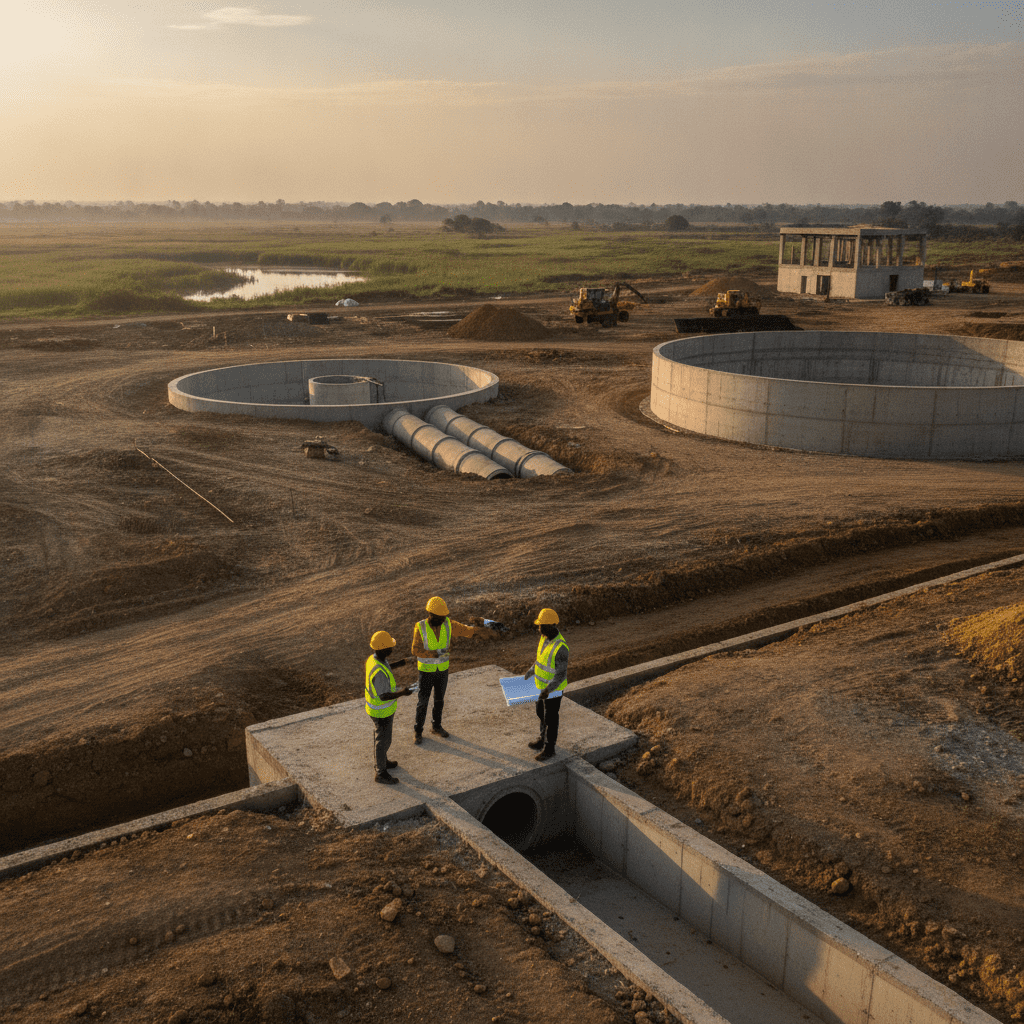
Sewage Treatment Plant Design: Sizing for Kenyan Estates
Ensuring sustainable sanitation infrastructure is a critical challenge in Kenya’s rapidly urbanising landscape. As new residential estates, commercial complexes, and institutions develop, the demand for effective on-site wastewater management solutions, particularly Sewage Treatment Plants (STPs), becomes paramount. Proper STP design and accurate sizing are not merely technical considerations; they are fundamental to public health, environmental protection, and long-term operational efficiency. Inadequate planning can lead to system failures, costly retrofits, environmental pollution, and non-compliance with regulatory standards, undermining the very purpose of development. This guide outlines the essential engineering principles and practical considerations for designing and sizing STPs tailored to the unique demands of the Kenyan context.
Foul water reticulation and STPs sit under civil engineering. Potable supply is water-resource. See sewer & STP design, water supply design, and potable reticulation.
Understanding STP Design Principles for Kenyan Contexts
The design of a Sewage Treatment Plant involves a comprehensive understanding of wastewater characteristics, treatment technologies, and the specific environmental and regulatory framework of the operating region. In Kenya, the National Environment Management Authority (NEMA) sets stringent effluent discharge standards, which are a primary driver for any STP design. Engineers must ensure the treated wastewater meets these parameters to prevent pollution of surface water bodies, groundwater, and soil.
Fundamentally, an STP typically employs a sequence of physical, chemical, and biological processes to remove contaminants. These stages generally include:
- Preliminary Treatment: This stage removes large solids, grit, and other debris that could damage equipment or interfere with subsequent treatment processes. It typically involves screening and grit removal.
- Primary Treatment: Wastewater flows into large sedimentation tanks where heavier organic and inorganic solids settle out, and lighter materials like oils and grease float to the surface. Both are then removed.
- Secondary (Biological) Treatment: This is the core of most STPs, where microorganisms are used to break down dissolved and colloidal organic matter. Common technologies include Activated Sludge Processes (ASP), Trickling Filters, Rotating Biological Contactors (RBCs), and various types of anaerobic reactors. The choice often depends on the wastewater strength, land availability, and operational complexity.
- Tertiary Treatment: This optional but increasingly vital stage aims to achieve higher effluent quality, often involving advanced filtration (e.g., sand filters, membrane bioreactors) and disinfection (e.g., chlorination, UV irradiation) to remove residual suspended solids, nutrients (nitrogen and phosphorus), and pathogens. This stage is particularly crucial if the treated effluent is intended for reuse, such as irrigation or toilet flushing, a growing practice in water-stressed regions of Kenya.
The Kenyan climate and specific site conditions significantly influence the selection and sizing of these treatment units. For instance, areas with high ambient temperatures can accelerate biological processes but also lead to increased evaporation and potential odour issues if not properly managed. Soil conditions also play a critical role; expansive black cotton soils, prevalent in regions like parts of Nairobi and Kajiado, require robust foundation designs for concrete structures, while permeable murram soils might allow for easier infiltration of treated effluent, provided NEMA standards are met. The proper discharge of treated effluent is intrinsically linked to broader site drainage design, ensuring no adverse impact on the surrounding environment or infrastructure.
The National Environment Management Authority (NEMA) sets specific discharge limits for various parameters such as BOD, COD, TSS, pH, and nutrient levels. Adherence to these standards is not negotiable and forms the fundamental basis for evaluating treatment process effectiveness and compliance. Thorough pre-design wastewater characterisation is essential to select a process capable of meeting these limits consistently.
Furthermore, operational sustainability and energy consumption are key considerations. Technologies that are robust, require minimal skilled labour, and have lower energy footprints are often preferred in remote or resource-constrained areas. Anaerobic processes, for example, can generate biogas which may be harnessed for energy, reducing operational costs and carbon footprint. A qualified professional assesses these factors holistically to propose a design that is not only technically sound but also economically viable and environmentally responsible.
| Common Oversight | Recommended Practice |
|---|---|
| Delaying NEMA permit application until construction is advanced. | Initiate NEMA EIA/audit process during the project’s conceptual design phase. |
| Underestimating variable influent loads from different user groups. | Conduct detailed population projections and wastewater generation analyses, including peak flows. |
| Ignoring geotechnical reports, especially in problematic soil areas. | Integrate geotechnical recommendations into foundation and structural design for all civil works. |
| Failing to plan for backup power or energy efficiency in design. | Incorporate redundant power sources (e.g., generators) and energy-efficient equipment from the outset. |
| Lack of operator training and maintenance plan post-commissioning. | Develop a comprehensive operations and maintenance manual and provide hands-on training for staff. |
| Inadequate buffer zones and odour control measures. | Design with sufficient setback distances and include passive or active odour management systems. |
Critical Factors in STP Sizing for Estates and Institutions
Accurate sizing is the cornerstone of an effective Sewage Treatment Plant. An undersized STP will be overloaded, leading to poor effluent quality, frequent breakdowns, and regulatory non-compliance. An oversized plant, while capable of handling the load, incurs unnecessary capital expenditure and higher operational costs. The sizing process is highly data-driven, relying on projected wastewater flows and characteristics.
Key factors influencing STP sizing for estates and institutions in Kenya include:
- Population Equivalent (PE): This is perhaps the most critical parameter. For residential estates, PE is determined by multiplying the number of dwelling units by the average occupancy per unit. In Kenya, typical occupancy rates can range from 3 to 5 persons per unit, depending on the housing type and socio-economic context. For institutions, PE is derived from specific metrics:
- Schools: Number of students and staff.
- Hospitals: Number of beds, staff, and daily visitors.
- Commercial Centers: Number of employees, daily visitors, and type of businesses (e.g., restaurants generate higher organic loads).
- Wastewater Generation Rates: Once the PE is established, the next step is to estimate the daily wastewater volume. This is typically calculated using per capita water consumption rates, with a return factor applied (usually 80-90% of water consumed becomes wastewater). In Kenyan urban settings, domestic water consumption can range from 80 to 150 litres per person per day. This rate can vary significantly based on water supply reliability, fixture efficiency, and lifestyle.
- Wastewater Characteristics (Loadings): Beyond volume, the strength of the wastewater is crucial. Key parameters include Biochemical Oxygen Demand (BOD5), Chemical Oxygen Demand (COD), Total Suspended Solids (TSS), and nutrient concentrations (Nitrogen, Phosphorus). Domestic wastewater typically has a predictable range of these parameters, but institutional or commercial wastewater can be highly variable. For instance, hospital wastewater might contain pharmaceuticals and disinfectants, while a food processing facility’s effluent will have high organic loads. Accurate characterisation (through sampling and analysis) is vital for selecting appropriate biological treatment processes.
- Peak Flow Factors: Wastewater flow is rarely constant. Daily peaks (e.g., morning and evening showers in residential areas) and hourly variations must be accounted for. Peak flow factors are applied to average daily flows to determine the maximum hydraulic load the plant must handle. This ensures that tanks do not overflow and pumps are adequately sized.
- Future Expansion and Phasing: New estates often develop in phases. An STP design should incorporate modularity to allow for future expansion without significant disruption or complete overhaul. This involves planning for additional treatment units as the population grows, considering the ultimate master plan capacity of the development.
- Site Constraints: The physical characteristics of the site significantly impact sizing. Available land area dictates whether a compact, high-rate system (like activated sludge) or a more extensive, low-rate system (like constructed wetlands) is feasible. Topography influences whether gravity flow can be utilized or if pumping stations are required, which adds to both capital and operational costs. Proximity to residential areas or sensitive ecosystems necessitates more rigorous odour control and higher effluent quality. Effective management of treated effluent often requires careful integration with existing culvert design and broader stormwater management systems to prevent localized flooding or erosion.
- Energy Requirements and Operational Sustainability: The energy intensity of a chosen technology impacts long-term operational costs. Systems relying heavily on aeration or pumping will have higher electricity demands. Exploring gravity-fed systems or those that can incorporate renewable energy sources (e.g., solar for pumps) is a critical aspect of sustainable design in Kenya.
A detailed feasibility study, including hydrological surveys, geotechnical investigations, and demographic projections, provides the essential data foundation for robust STP sizing.
The foundation for any effective Sewage Treatment Plant (STP) in Kenya lies in a meticulously planned design process, tailored to the specific needs of estates and institutions. This section outlines the critical technical steps, ensuring optimal sizing, operational efficiency, and compliance with national environmental standards.
A comprehensive understanding of the proposed site is the cornerstone of a successful STP design. Engineers must conduct thorough investigations to gather essential data:
- Topography: Detailed contour maps are crucial for determining optimal plant layout, minimizing excavation, and maximizing gravity flow to reduce pumping costs. Undulating terrains may require multiple pump stations or stepped treatment units.
- Geotechnical Investigation: Soil characteristics, including bearing capacity, permeability, and corrosivity, directly influence foundation design for tanks and structures. Expansive black cotton soils, common in areas like Kajiado and parts of Nairobi, demand specialized raft or pile foundations to mitigate settlement and structural movement. High groundwater tables, prevalent in coastal regions or near major water bodies like Lake Victoria in Kisumu, necessitate robust waterproofing and buoyancy control measures.
- Hydrology and Hydrogeology: Analysis of surface water runoff patterns and groundwater levels is vital for preventing stormwater ingress into the treatment system and managing treated effluent discharge. Proximity to wetlands or rivers dictates stricter effluent quality requirements.
- Existing Infrastructure: Identification of existing sewer lines, water supply connections, and electrical grid access informs the integration of the new STP and minimizes new utility extensions.
- Environmental Sensitivity: Assessing the surrounding environment for sensitive ecosystems, residential zones, or agricultural land helps in planning odour control, noise mitigation, and defining the target effluent quality.
Accurate estimation of both the quantity and quality of wastewater is paramount for correctly sizing the STP’s various components.
- Population Equivalent (PE) Calculation: For residential estates, PE is derived from the number of dwelling units, average occupancy rates, and per capita water consumption, typically assuming an 80-90% return-to-sewer factor. For institutions like schools or hospitals, PE is based on the design population, bed count, or daily visitors, coupled with specific water use rates. Peak flow factors are then applied to account for hourly and daily variations, ensuring the plant can handle maximum loads.
- Wastewater Quality Analysis: If an existing system is being upgraded, representative samples of raw sewage are analyzed for key parameters such as Biochemical Oxygen Demand (BOD5), Chemical Oxygen Demand (COD), Total Suspended Solids (TSS), nutrients (nitrogen and phosphorus compounds), pH, and faecal coliforms. For new developments, typical domestic or institutional wastewater characteristics are used as a basis, adjusted for any specific industrial or commercial discharges. These parameters directly dictate the required treatment efficiency and the selection of appropriate unit processes.
Choosing the most suitable treatment technology involves balancing desired effluent quality, land availability, capital investment, operational complexity, and energy consumption. Common technologies employed in Kenya include:
- Activated Sludge Process (ASP): A widely adopted biological treatment method effective in removing organic matter. Variants like Extended Aeration and Sequencing Batch Reactors (SBRs) offer flexibility and enhanced nutrient removal.
- Moving Bed Biofilm Reactors (MBBR): Known for their compact footprint and high treatment efficiency, suitable for sites with limited space.
- Membrane Bioreactors (MBR): Produce very high-quality effluent, often suitable for direct reuse, but typically involve higher capital and operational costs due to membrane maintenance and energy demands.
- Constructed Wetlands: Low-energy, natural systems that require significant land area but offer aesthetic benefits and robust treatment for specific applications.
The process design then meticulously sizes individual unit operations such as preliminary treatment (screening, grit removal), primary sedimentation, biological treatment (aeration tanks), secondary clarification, and tertiary treatment (filtration, disinfection). Retention times, organic loading rates, and hydraulic loading rates are calculated for each stage to ensure effective pollutant removal.
A detailed hydraulic profile, or head loss diagram, is developed to ensure efficient flow through the entire plant. This includes calculating friction losses in pipes, head losses across treatment units, and elevation differences between components. Pumping stations are designed to overcome these losses where gravity flow is not feasible, with appropriate pump selection based on required flow rates, total dynamic head, and power consumption, often with redundant units for reliability.
- Structural Design: Encompasses all civil structures, including reinforced concrete tanks, channels, pump sumps, and control buildings. Designs must adhere to Kenyan building codes, considering hydrostatic pressures, seismic loads, and specific geotechnical conditions.
- Mechanical Design: Involves the specification and sizing of all process equipment, such as screens, grit removers, aerators, mixers, pumps, valves, and sludge handling machinery.
- Electrical Design: Covers power distribution systems, motor control centres (MCCs), instrumentation, and automation systems. SCADA (Supervisory Control and Data Acquisition) systems are frequently incorporated for remote monitoring, data logging, and optimized plant control.
Sludge, a concentrated byproduct of wastewater treatment, requires careful handling. The design must include facilities for sludge thickening, dewatering (e.g., using belt presses, filter presses, or drying beds), and stabilization. The ultimate disposal strategy—whether co-composting, landfilling, or agricultural reuse—must comply with National Environment Management Authority (NEMA) guidelines.
The final treated effluent must meet the stringent discharge standards stipulated by NEMA under the Environmental Management and Co-ordination Act (EMCA) 1999 and the Water Quality Regulations 2006. The design specifies the method of final disposal, which could be discharge into a natural watercourse, infiltration to ground, or reuse. An Environmental Impact Assessment (EIA) and subsequent licensing from NEMA are mandatory prerequisites for both construction and operation of the STP.
The successful delivery and long-term performance of a Sewage Treatment Plant in Kenya depend on a multitude of factors beyond just the technical design. These elements significantly influence the project’s scope, budget, timeline, and operational sustainability.
Kenya’s diverse landscape presents unique environmental and geotechnical considerations for STP projects:
- Soil Conditions: Expansive black cotton soils in regions like Kajiado and parts of Machakos require specialized foundation solutions for tanks and buildings to prevent structural damage from soil swelling and shrinkage. Conversely, highly permeable sandy soils near the coast in Mombasa may necessitate specific lining systems to prevent groundwater contamination from treatment units or infiltration beds.
- High Water Table: Areas prone to high groundwater levels, such as coastal plains or locations near Lake Victoria (e.g., Kisumu), require robust dewatering strategies during construction and design features to counteract buoyancy forces on underground structures. This often leads to increased civil engineering complexity and material specifications.
- Space Constraints: In dense urban environments like Nairobi, limited land availability often dictates the selection of compact, high-rate treatment technologies like MBBRs or MBRs, which offer efficient treatment within a smaller footprint, albeit with potentially higher capital investment.
- Coastal Corrosion: For STPs situated along the Kenyan coast, the corrosive marine atmosphere necessitates the use of corrosion-resistant materials for all exposed structures and equipment. This includes specifying marine-grade coatings, stainless steel components, and enhanced concrete cover for reinforced elements.
The target effluent quality is a primary driver of STP complexity and cost. While NEMA sets minimum discharge standards, if the treated water is intended for specific reuse applications—such as irrigation within an estate, toilet flushing in an institution, or industrial processes—the design must target significantly higher quality parameters. This often requires additional tertiary treatment steps like filtration, ultrafiltration, or advanced disinfection, which can substantially increase the plant’s design complexity, operational costs, and overall project scope. Early identification of reuse potential is crucial for integrated design.
A well-designed STP is one that can be operated efficiently, reliably, and sustainably throughout its lifespan.
- Energy Consumption: Pumping and aeration are typically the largest energy consumers. The design should prioritize energy-efficient equipment, optimize hydraulic profiles to minimize pumping, and explore renewable energy integration, such as solar power, for auxiliary systems.
- Sludge Management: The volume and characteristics of sludge produced dictate the design of sludge handling facilities. Inadequate sludge management can lead to environmental pollution, operational bottlenecks, and non-compliance with NEMA regulations.
- Skilled Personnel: The complexity of the chosen treatment technology should align with the availability of skilled operators and maintenance technicians in the region. Simpler, more robust systems may be preferred in remote areas where specialized expertise is scarce. Comprehensive training programs for local staff are essential for long-term success.
- Chemical Consumption: Some treatment processes require chemical dosing for coagulation, pH adjustment, or disinfection. The design must account for chemical storage, handling, safety protocols, and supply logistics.
Navigating Kenya’s regulatory framework is a critical, often time-consuming, aspect of STP projects. The National Environment Management Authority (NEMA) is the principal regulatory body, requiring:
- Environmental Impact Assessment (EIA): A mandatory study to predict, evaluate, and mitigate the potential environmental and social impacts of the proposed STP. This process involves public participation and can be lengthy, requiring detailed engineering and environmental inputs.
- Effluent Discharge License: Required for any discharge of treated wastewater into the environment. Compliance with the specified parameters is subject to continuous monitoring by NEMA.
- County Government Approvals: Local county governments (e.g., Nairobi City County, Mombasa County, Kisumu County) require building permits, occupational certificates, and operational licenses, typically after NEMA approvals have been secured. Delays or non-compliance in obtaining these approvals can lead to significant project setbacks, fines, or even demolition orders.
Underestimating or bypassing the need for qualified engineering input in STP design carries severe and far-reaching repercussions:
- Environmental Pollution: An undersized or improperly designed plant will fail to treat wastewater to the required standards, leading to the discharge of raw or inadequately treated sewage into rivers, lakes, or groundwater. This results in significant public health risks (e.g., waterborne diseases) and severe environmental degradation.
- Regulatory Penalties: NEMA imposes substantial fines for non-compliance with effluent discharge standards and can issue closure notices, leading to project abandonment and significant financial losses for developers or institutions.
- Operational Failures and High Costs: Inefficient designs result in higher energy consumption, frequent equipment breakdowns, excessive chemical use, and the eventual need for costly retrofits or complete overhauls. This directly impacts the long-term economic viability and sustainability of the facility.
- Public Health Risks: Untreated or poorly treated sewage is a major vector for diseases such as cholera, typhoid, and dysentery, posing direct health threats to residents within the estate or institution, as well as surrounding communities.
- Project Delays and Legal Disputes: Non-compliance, persistent operational issues, or structural failures can lead to prolonged project delays, legal actions from regulatory bodies or affected communities, and severe reputational damage to the developer or institution.
Professional engineering input ensures that all these multifaceted factors are meticulously analyzed and integrated into a robust, sustainable, and compliant STP design, thereby safeguarding both the investment and the environmental health of the community.
The successful implementation and long-term operation of a sewage treatment plant (STP) in Kenya hinges critically on adherence to regulatory frameworks, meticulous site-specific design, and an acute understanding of local operational challenges. Non-compliance with established environmental standards poses significant legal, financial, and reputational risks for developers, institutions, and property owners. The National Environment Management Authority (NEMA) is the primary regulatory body responsible for environmental oversight, including the licensing and monitoring of wastewater discharge. Engineers must ensure that all STP designs meet the effluent quality standards stipulated in the Environmental Management and Co-ordination (Water Quality) Regulations, 2006, and subsequent amendments, which specify permissible limits for parameters such as Biochemical Oxygen Demand (BOD), Chemical Oxygen Demand (COD), Total Suspended Solids (TSS), and pH.
A common oversight in project planning is underestimating the complexity of securing NEMA permits, which involves detailed Environmental Impact Assessment (EIA) reports, public participation, and a rigorous review process. Failure to obtain the necessary discharge permits before commissioning an STP can lead to hefty fines, operational shutdowns, and even prosecution under the Water Act, 2016. Furthermore, improper effluent discharge can contaminate local water sources, endangering public health and ecosystem integrity, particularly in areas reliant on groundwater or surface water for domestic use or agriculture. For instance, in peri-urban areas surrounding Nairobi or Kisumu, where informal settlements often coexist with planned developments, the risk of cross-contamination from poorly treated wastewater is particularly high.
Operating an STP without valid NEMA permits or consistently discharging effluent that fails to meet prescribed standards can result in significant penalties, including fines of up to five million project scope or forced decommissioning of the facility. Regular monitoring and reporting are mandatory to maintain compliance.
Contextual design is paramount in Kenya due to diverse environmental conditions and socio-economic factors. Geotechnical investigations are crucial, especially in regions with problematic soil types. For example, expansive black cotton soils prevalent in areas like Kitengela or parts of Kajiado County require specialized foundation designs to prevent differential settlement of concrete tanks and structures. Conversely, coastal regions such as Mombasa necessitate considerations for saline intrusion and the corrosive effects of a humid, salt-laden atmosphere on metallic components. Engineers must also account for varying influent characteristics, which can differ significantly between a high-density urban estate and a rural institutional setting like a boarding school or hospital. The presence of industrial wastewater components in mixed-use developments, for instance, demands pre-treatment considerations to protect biological treatment processes from inhibitory substances.
Operational challenges in Kenya include unreliable power supply, which can disrupt aeration systems critical for biological treatment. This necessitates the integration of backup power solutions or designs that are resilient to intermittent power. The availability of skilled operators for maintenance and troubleshooting is another critical factor; simpler, robust technologies may be more appropriate in settings where access to highly specialized technical personnel is limited. Moreover, the disposal of sludge generated by STPs must comply with NEMA guidelines, often requiring further treatment (e.g., dewatering, composting) before safe disposal or beneficial reuse in agriculture, where permitted. The overall infrastructure for drainage design and wastewater conveyance in estates must also be robust to prevent overflows and ensure efficient delivery to the STP.
A well-designed STP integrates not only effective treatment technology but also robust civil infrastructure and sustainable operational protocols, ensuring long-term environmental protection and regulatory compliance.
The design process must also consider future expansion possibilities, especially for growing residential estates or institutions. Modular designs allow for phased increases in capacity, minimizing initial capital outlay while accommodating demographic changes. Furthermore, the integration of STPs into the broader site infrastructure, including proper road access for maintenance and sludge removal, and ensuring adequate buffer zones from residential areas, are essential for community acceptance and smooth operation. This holistic approach extends to managing stormwater runoff, where proper culvert design and retention ponds can mitigate hydraulic overload on the STP during heavy rainfall events.
A thorough site investigation should encompass geotechnical studies, hydrological assessments, existing utility mapping, and a detailed analysis of projected influent characteristics. These data points are foundational for a resilient and compliant STP design.
Here is a comparison of common oversights and recommended practices in STP design and implementation in Kenya:
| Common Sizing Oversight | Recommended Sizing Practice |
|---|---|
| Underestimating population growth or occupancy rates in estates. | Utilise master plan projections and apply a growth factor for future phases. |
| Assuming generic wastewater characteristics for institutional facilities. | Conduct specific wastewater quality analysis for the institution type. |
| Neglecting peak flow factors, leading to hydraulic overloading. | Incorporate daily and hourly peak factors based on local data or engineering standards. |
| Failing to account for site-specific soil conditions or topography. | Conduct geotechnical and topographical surveys to inform layout and foundation design. |
| Ignoring NEMA effluent discharge standards during initial design calculations. | Design all treatment stages with the explicit goal of meeting NEMA requirements. |
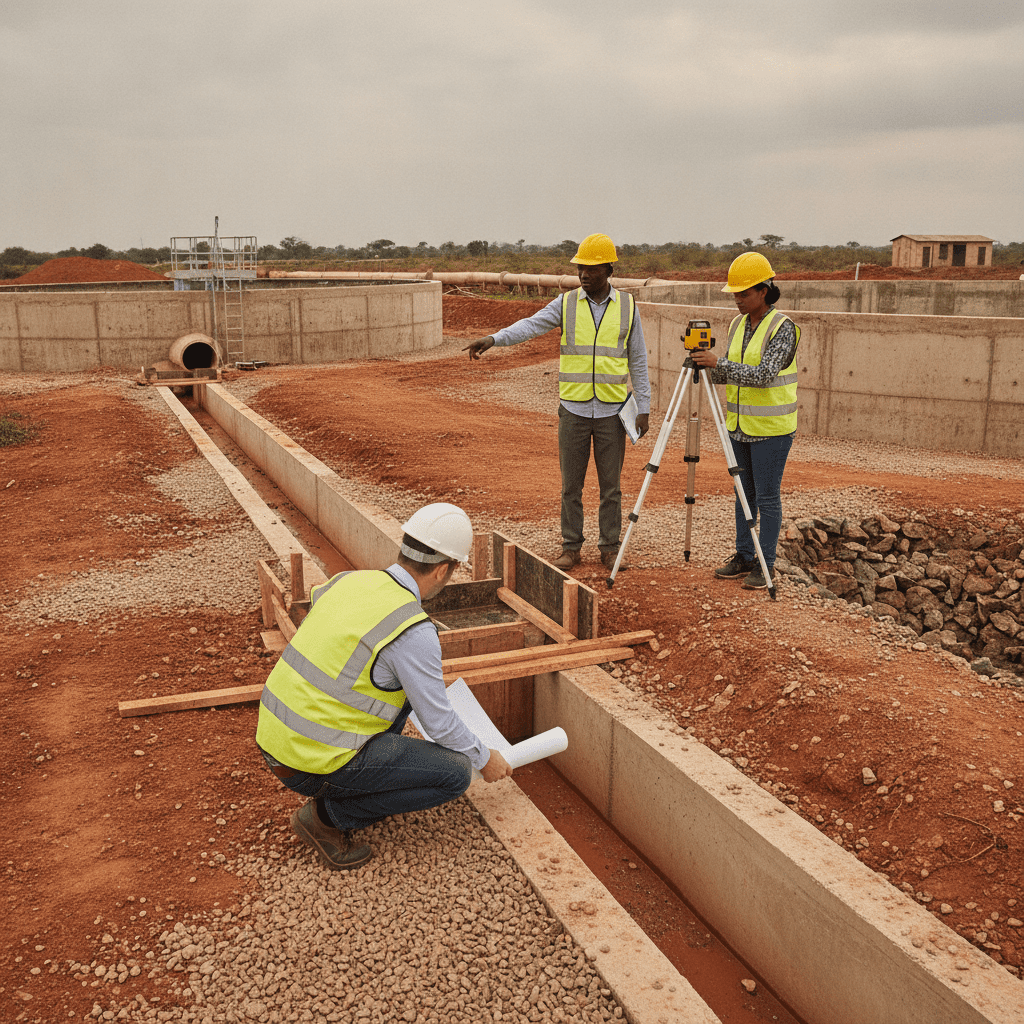
Detailed STP Design Process and Sizing Considerations
1. Initial Site Assessment and Data Collection
2. Wastewater Characterization and Flow Projections
3. Technology Selection and Process Design
4. Hydraulic Profile and Pumping Station Design
5. Structural, Mechanical, and Electrical Design
6. Sludge Management System Design
7. Effluent Disposal and Environmental Compliance
| Common Oversight in STP Design | Recommended Practice for Success |
|---|---|
| Underestimating peak flow rates and future population growth for an estate. | Utilize conservative peak factors and project population growth over a 15-20 year design horizon to ensure adequate sizing. |
| Ignoring site-specific geotechnical reports during foundation design. | Integrate detailed geotechnical data to design appropriate foundations, particularly for expansive soils or sites with a high water table. |
| Failing to account for NEMA effluent discharge standards from the initial concept. | Design all treatment stages to consistently meet or exceed NEMA Water Quality Regulations 2006 for the intended effluent discharge point. |
| Selecting complex treatment technologies without assessing local operational expertise. | Prioritize robust, maintainable technologies, and ensure a comprehensive plan for operator training and local availability of spare parts. |
| Neglecting the long-term energy consumption implications of chosen equipment. | Specify energy-efficient pumps, blowers, and mixers, and explore opportunities for renewable energy integration to reduce operational costs. |
| Inadequate provision for sludge drying, stabilization, and final disposal. | Design a comprehensive sludge management plan, including thickening, dewatering, and final disposal methods that comply with NEMA guidelines. |
Critical Factors Influencing STP Scope and Project Success
Site-Specific Environmental and Geotechnical Challenges
Effluent Quality Requirements and Potential for Reuse
Operational and Maintenance (O&M) Considerations
Regulatory Compliance and Approvals
Consequences of Inadequate Professional Input
Risks, Compliance, and Contextual Design in Kenya
Proper environmental management, community engagement, and a forward-thinking design approach that anticipates both technical and operational challenges are critical for the long-term success of any sewage treatment plant in the Kenyan context. Engaging qualified professionals early in the project lifecycle ensures that all these complex interdependencies are addressed.
Frequently Asked Questions
What is the typical lifespan of an STP in Kenya?
The typical design life of a well-constructed and properly maintained sewage treatment plant in Kenya is generally 20 to 25 years for its civil structures, such as concrete tanks and channels. However, the lifespan of electro-mechanical components like pumps, blowers, diffusers, and control systems is shorter, usually ranging from 5 to 10 years, depending on the quality of equipment, operational conditions, and maintenance frequency. A robust maintenance schedule, including regular servicing, calibration, and timely replacement of worn-out parts, is crucial to achieving the full design life of the plant. Without adequate maintenance, operational efficiency can decline rapidly, leading to increased energy consumption, non-compliant effluent, and premature system failure.
How does climate change affect STP design in Kenya?
Climate change impacts STP design in Kenya primarily through altered rainfall patterns and increased temperatures. More intense, sporadic rainfall events can lead to hydraulic overloading of STPs, especially those designed without sufficient capacity for stormwater infiltration, potentially causing untreated sewage overflows. Conversely, prolonged droughts can result in lower influent flows but higher concentrations of pollutants, challenging biological treatment processes. Elevated ambient temperatures can affect biological reaction rates and increase evaporation losses, particularly in open systems like waste stabilization ponds. Future designs must incorporate greater resilience to these extremes, including enhanced stormwater management features, flexible treatment processes adaptable to varying pollutant concentrations, and consideration for water reuse to mitigate scarcity.
What are the key considerations for land acquisition and siting of an STP in an estate?
Key considerations for land acquisition and siting of an STP within an estate in Kenya include ensuring adequate land area for current and future expansion, establishing appropriate buffer zones to prevent nuisance (odour, noise) for residents, and accessibility for maintenance vehicles. The site should ideally be located at the lowest topographical point of the estate to facilitate gravity flow of sewage, thereby minimizing pumping costs. Proximity to an approved effluent discharge point (e.g., a river, wetland, or municipal sewer) is also critical, subject to NEMA’s approval. Social acceptance is paramount; engaging the community early in the planning process can mitigate potential conflicts arising from perceived health risks or property devaluation.
Can an existing septic tank system be upgraded to an STP?
Upgrading an existing septic tank system to a full sewage treatment plant is technically feasible in many cases, but it requires a thorough engineering assessment. The primary septic tank can often be repurposed as a primary sedimentation tank or an anaerobic reactor within a new STP configuration. However, the existing tank’s structural integrity, volume, and hydraulic profile must be suitable for integration into a more complex treatment train, which typically includes aerobic treatment (e.g., activated sludge, trickling filters) and tertiary treatment. Additional land may be required for new treatment units, and the entire system must be designed to meet NEMA effluent discharge standards. A qualified professional will assess the existing infrastructure, projected wastewater loads, and available space to determine the most cost-effective and compliant upgrade pathway.
Key Takeaways
Effective sewage treatment plant (STP) design and sizing are foundational to public health, environmental protection, and sustainable development, particularly within Kenya’s growing estates and institutions. The complexity of wastewater engineering demands a meticulous approach, integrating various technical, regulatory, and environmental considerations.
- Prioritise Accurate Data Collection: The cornerstone of any successful STP design is a thorough understanding of wastewater characteristics and projected flow rates. This includes chemical oxygen demand (COD), biochemical oxygen demand (BOD), total suspended solids (TSS), nutrients (nitrogen and phosphorus), and pH levels. Accurate data ensures the treatment processes are appropriately sized and specified to handle the pollutant load effectively, preventing under-design or over-design which can lead to operational inefficiencies or unnecessary capital expenditure.
- Select Appropriate Treatment Technology: Various treatment technologies exist, from conventional activated sludge systems to more advanced membrane bioreactors (MBRs) or nature-based solutions like constructed wetlands. The selection must be carefully matched to the site’s specific conditions, including available land, desired effluent quality, operational budget, energy consumption, and the availability of skilled personnel for maintenance. For instance, areas with limited space might favour compact MBRs, while rural institutions could benefit from less energy-intensive, robust systems.
- Adhere Strictly to Regulatory Standards: Compliance with the National Environment Management Authority (NEMA) effluent discharge standards is non-negotiable for all STPs in Kenya. Engineers must ensure the design incorporates processes capable of consistently meeting these parameters. This includes proper permitting, environmental impact assessments (EIAs), and regular monitoring protocols to avoid penalties and ensure environmental stewardship.
- Integrate Site-Specific Engineering Considerations: The physical site profoundly influences STP design. Factors such as topography, geological conditions (e.g., expansive black cotton soils in parts of Kajiado or high water tables near Mombasa), and proximity to water bodies or residential areas dictate the plant’s layout, civil works, and odour control measures. Proper geotechnical investigations are essential to inform foundation design and ensure the structural integrity of tanks and other components.
- Emphasise Operational Simplicity and Maintainability: A well-designed STP is not just about its initial construction but also its long-term operability and maintainability. Designs should consider ease of access for routine inspection, cleaning, and repair of mechanical components. Specifying readily available spare parts and designing for modular expansion can significantly reduce operational challenges and extend the plant’s useful life.
- Plan for Sludge Management: Sludge, the byproduct of wastewater treatment, requires careful management. The design must include provisions for sludge thickening, dewatering, and disposal or beneficial reuse. In Kenya, this often involves drying beds or mechanical dewatering, followed by safe disposal or valorisation for agricultural purposes, subject to NEMA guidelines.
- Engage Qualified Engineering Professionals: The multidisciplinary nature of STP design necessitates the input of experienced civil, environmental, and mechanical engineers. Their expertise ensures that all aspects, from hydraulic calculations and process selection to structural integrity and electrical systems, are robustly addressed, leading to an efficient, compliant, and sustainable treatment solution.
Need Expert Engineering Guidance?
For comprehensive engineering insights and professional project support in Kenya, reach out to qualified experts who can guide your development from concept to completion.
Phone: +254 719 532 233
Email: info@Cadreatech.com
Website: Cadreatech.com
